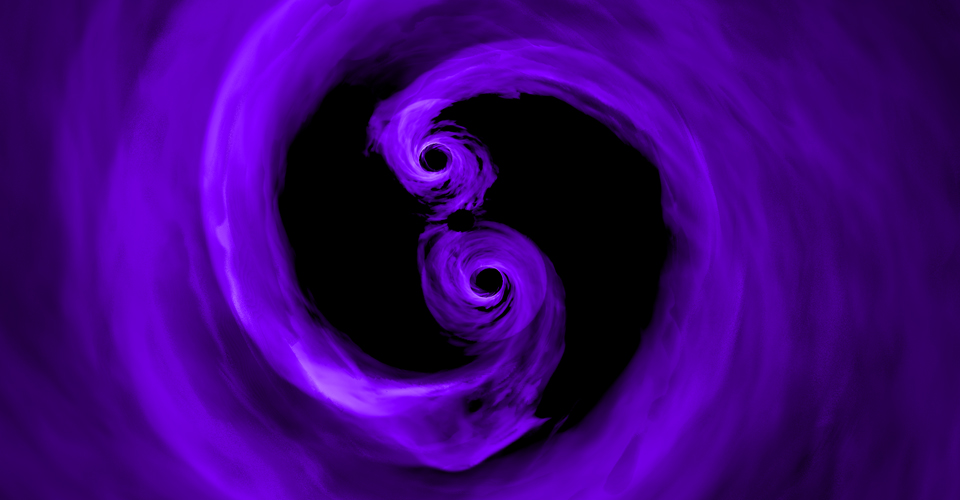
Stellar Black Holes
My primary research focus is the formation and complex dynamics of stellar-mass black holes. Through detailed investigations of their lifecycles, I model both their isolated evolution and their behavior in dynamically chaotic environments.
A crucial component of this research explores the resulting "kicks" they receive during formation supernovae or dynamical interactions, heavily dictating their retention in parent clusters and their future merger potential.
- Formation & Dynamics across changing environments.
- Isolated Evolution vs cluster-driven dynamical evolution.
- Resulting Kicks and retention velocity analysis.
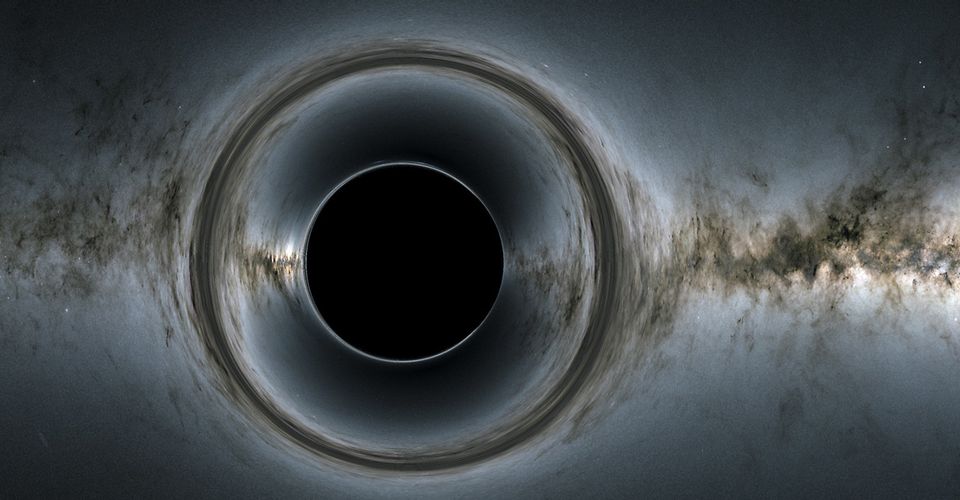
Dense Star Clusters
My research investigates the deeply complex environments of dense star clusters such as globular clusters and nuclear star clusters. I study the interplay between structural evolution and internal dynamics over cosmological timescales.
By accurately modeling these environments, we can trace the fundamental properties that shape them, resulting in critical insights regarding binary formation and system lifespans.
- Structural Evolution over billions of years.
- Binary Fractions and their impact on cluster energy.
- Initial Mass Functions variations and dependencies.
- Dynamics within extremely dense stellar environments.
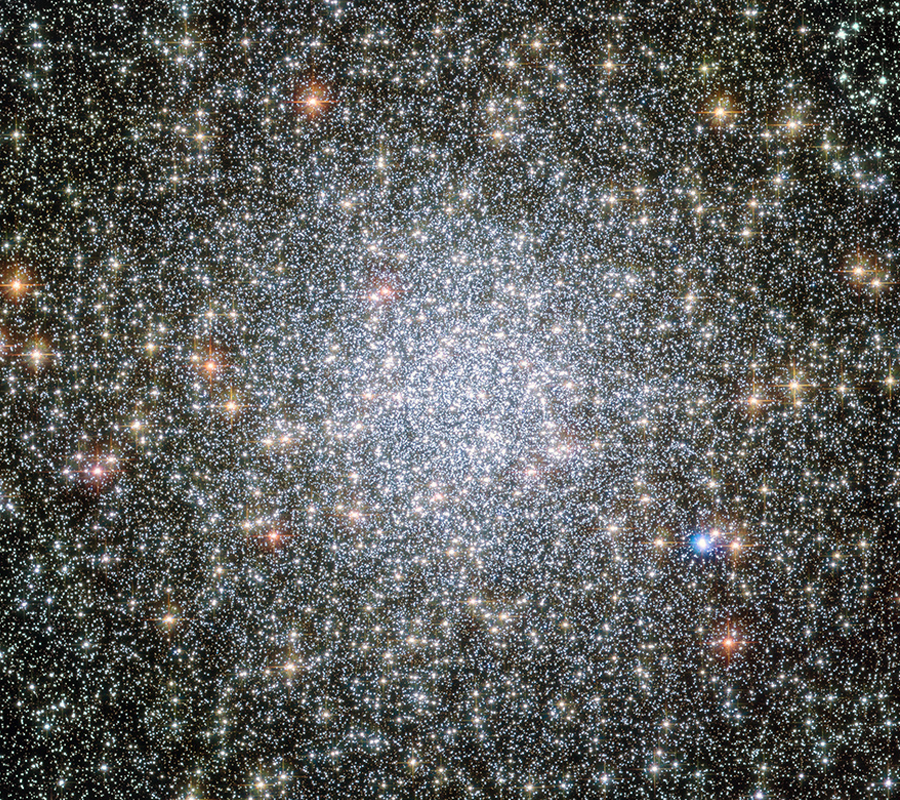
Galaxies and AGN
Active Galactic Nuclei (AGN) are some of the most luminous and dynamically volatile phenomena in the universe. My research investigates the vital co-evolution of these supermassive black holes alongside their host galaxies.
By mapping host galaxy properties and simulating AGN dynamics, we can begin to uncover the mechanisms that trigger their active phases and the feedback loops that regulate internal star formation.
- Co-evolution of AGN and their host galaxies.
- Host Galaxy Properties and environmental dependencies.
- AGN Dynamics and supermassive black hole behavior.
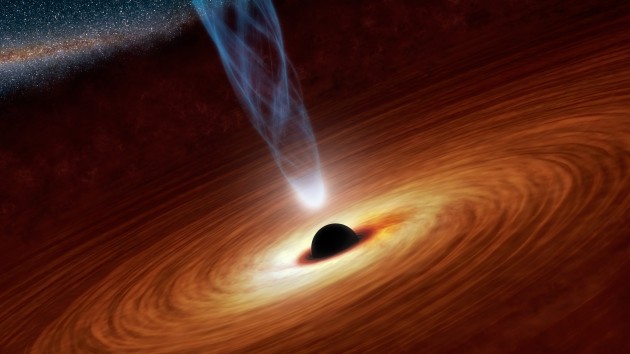
Gravitational Wave Astrophysics
Complementing my work in stellar dynamics, this branch of my research focuses on the ultimate fates of dense binaries: the formation and evolution of merging binary black holes.
By analyzing simulated data, I investigate the varied astrophysical pathways that lead directly to gravitational wave events, focusing on the statistical and demographic properties of these merging populations.
- Simulating Mergers to track the evolution of binary black holes toward coalescence.
- Merger Rates predicting the frequency of these events across different environments.
- Formation Channels identifying and characterizing the specific pathways that lead to a merger.
- Mass Distributions mapping the merging populations to provide theoretical frameworks for observational data.